Educational resources
Elimination starts with education!
Viral hepatitis can be prevented, managed, and even eliminated. Explore our educational resources to learn about the different types of hepatitis (A, B, and C), how they spread, and the best strategies for prevention. You'll also find harm reduction tips and more information on related topics.
What is hepatitis?
Hep·a·ti·tis is a Greek compound word made from hêpar, which translates to liver, and the ending -itis, which means inflammation. The human body can develop hepatitis (AKA, liver inflammation) in a variety of ways: through disorders where the immune system mistakenly attacks the liver, via chronic overconsumption of alcohol, or by catching a hepatitis virus.
Upwards of 3 million Americans are estimated to be living with viral hepatitis, and of those, half don’t even know they have it. And though it receives much less airtime, the hep C virus is 4 times more prevalent than HIV in the U.S.
Left untreated, hepatitis usually leads to the development of cir·rho·sis, in which scar tissue steadily replaces healthy cells and the liver sustains permanent scarring. That irreversible damage often leads to the development of liver cancer or another terminal liver disease, which kills millions across the globe every year.
Here’s the good news: viral hepatitis is preventable and treatable and HEP provides those services for free.
But we can’t give people services they don’t know to seek out, so please share the information on this page far and wide to help us spread the word!
Whether you’re already familiar with hepatitis A, B, and C or you’re just now learning there’s more than one hepatitis virus, scroll onward for a deeper dive into the virus subtypes ⬇️


Hepatitis A

Hepatitis B

Hepatitis C
Hepatitis ABCs
-
Hepatitis A is a virus that affects the liver and is easily preventable through a two-dose vaccine series. For those unvaccinated, it spreads primarily through contaminated food or water, making handwashing and thorough cleaning of produce essential preventive measures. While rare, transmission can also occur through blood exposure.
Children who contract hepatitis A are often asymptomatic, whereas most adults experience symptoms such as fatigue, brain fog, jaundice (yellowing of the skin and eyes), and abdominal discomfort. The infection can last weeks to months, sometimes requiring hospitalization. While most individuals develop immunity after infection, severe cases can lead to liver failure and, rarely, death.
In the U.S., outbreaks have been reported among individuals engaging in certain sexual practices (anal, perianal, and anal-oral contact), communities with limited access to clean water and sanitation, residents of congregate living settings (e.g., jails and prisons), and food service workers. International travelers are also at increased risk.
Vaccination remains the most effective prevention method, complemented by proper hygiene and food safety practices.
Resources:
-
Hepatitis B is both a bloodborne and sexually transmissible virus. While infection rates have significantly declined in the U.S. and other countries with strong health infrastructure—thanks to vaccination, health education, and post-exposure prophylaxis—exposure rates are rising in certain communities.
Misinformation, healthcare distrust, and systemic marginalization contribute to increased hepatitis B exposure, particularly among people who inject drugs, LGBTQ+ individuals, and communities of color, especially within refugee and immigrant populations. Alarmingly, only 25% of individuals living with hepatitis B in the U.S. have been diagnosed.
Though there is no cure, antiviral medications can slow liver damage and reduce transmission risk. Continued vaccination efforts, education, and access to healthcare remain critical in combating hepatitis B.
Resources:
Hepatitis B Vaccine Information Sheet
-
Hepatitis C (HCV) is a bloodborne viral infection that, over decades, can lead to liver fibrosis (scarring), cirrhosis, and, in some cases, liver cancer or death. It is primarily transmitted through blood-to-blood contact, with rare cases of sexual transmission.
Approximately 4 million Americans have chronic hepatitis C, yet only 25–30% have been diagnosed. Diagnosis is confirmed through specific laboratory blood tests, and in some cases, a liver biopsy may be recommended to assess the degree of fibrosis and determine the need for treatment.
Hepatitis C is curable, with treatment duration typically lasting 12 weeks—though some individuals may be cured in as little as 8 weeks, while others may require up to 24 weeks. Cure rates range from 90–100%, depending on the hepatitis C genotype (strain) and severity of liver disease. In the past, treatment involved pegylated interferon and ribavirin, which only cleared the virus in about 50% of patients. Fortunately, today’s regimens do not include interferon, offering significantly higher cure rates with fewer side effects.
Resources:
-
Racial justice can be an extremely uncomfortable topic to digest; however, exploring and learning about racial justice is critical to understand the history, policies, and culture that has shaped our present systems, including healthcare. Dialogue around racial justice allows individuals to lean into difficult conversations, reflect, and commit to preventing additional damage for marginalized and excluded communities. Delving into racial justice work gives individuals the opportunity to bridge their shared values with one another and come together to fight against systemic racism and oppression. Intersecting viral hepatitis and racial justice highlights disparities, most specifically for Black and African Americans, Indigenous communities, and immigrant and refugee groups. Join us in further understanding racial justice as we strive toward a diverse, inclusive, and equitable future.
-
Disability Justice is a framework that examines disability and ableism as it relates to other forms of oppression and identity (such as race, class, gender, sexuality, citizenship, incarceration, size, etc). The framework was published in 2005 by the Disability Justice Collective, a group of black, brown, queer and trans people including Patty Berne, Mia Mingus, and Stacey Milbern. In disability justice, disability is not defined in “white terms, or male terms, or straight terms.” Disability justice also acknowledges that “ableism helps make racism, Christian supremacy, sexism, and queer-and transphobia possible” and that all those systems of oppression are intertwined. The Disability justice framework is being applied to the intersectional reexamination of a wide range of disability, human rights, and justice issues.
-
People who trade sex are impacted by the same systems the harm people who use drugs. While these communities sometimes overlap, the most common threads that connect them are criminalization, discrimination, and stigma. Sex workers use harm reduction to create more safety and wellness for themselves and their communities. Harm reduction for drug use and sex work are often siloed, but working for health equity and justice means fighting for access to these tools for all. -
The adversarial and punitive “justice” system that forms the bedrock of the modern American court system has been nothing short of an abject failure in its every address to the societal issues that it uses to justify it existence. The punitive system that constitutes the law in the United States actively harms countless people every day, taking community members from their loved ones to be exploited for labor and subjected to social exclusion. The fact that the U.S. imprisonment rate is so dramatically high is a testament to the system’s failure. We’re long past due to start embracing a more collaborative and restorative concept of justice.
-
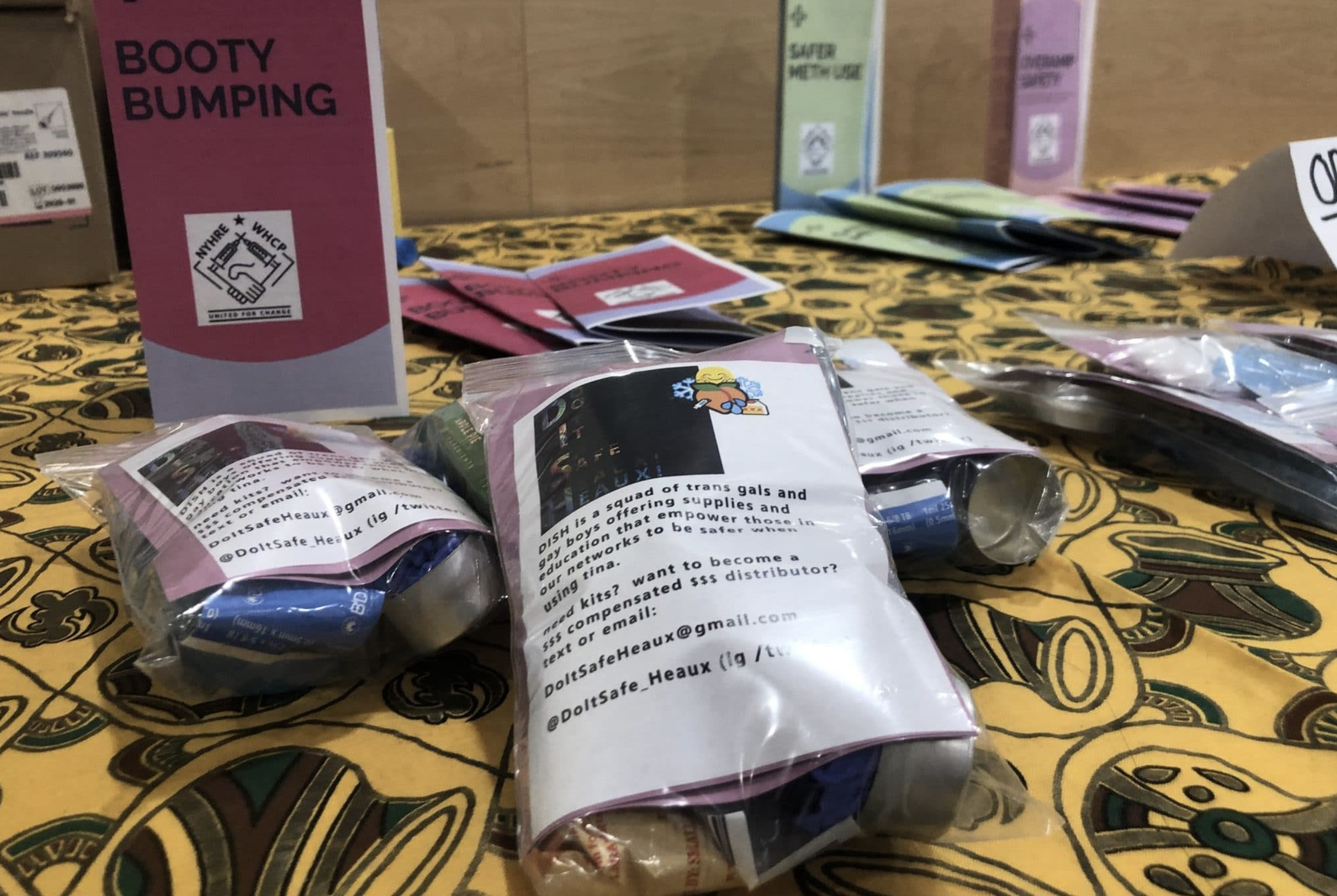
Mutual aid is about directly supporting each other’s survival needs, while also fighting against the systems that produce inequity. It centers collectively providing basic needs to our communities because our government (and other institutions) are not meeting the need, and people are suffering and dying in the meantime. Providing new syringes, information about safer injection strategies, services related to infectious disease transmission, and outreach to encampments are all forms of mutual aid if we keep a mindset of “solidarity, not charity”. Mutual aid is a wonderful mechanism through which to provide harm reduction services in a way that centers autonomy and nonjudgment of all involved.
-
Several high-profile HIV (human immunodeficiency virus) outbreaks among people who inject drugs and their partners over the past decade highlight the importance of continuing HIV prevention and engagement in care activities, including access to sterile syringes and free HIV testing, for those who inject drugs. People living with HIV who are Black, Indigenous, or are co-infected with HBV or HCV already experience some of the most significant disparities in care, and thus may need additional support re-engaging in HIV primary care. It is important to remember that people who use drugs are also at risk for HIV from sexual transmission, so harm reduction programs should have an HIV prevention strategy that is robust and takes a whole-person approach. While HIV is not curable, current treatments can suppress an individual’s viral load to the point that it is undetectable in the bloodstream and cannot be transmitted to others.
-
Stigma is rooted in maintaining systems of oppression and can manifest on interpersonal and systemic levels. Stereotypes teach us that people who have certain conditions or identities are less deserving of care. These narratives cause loved ones and providers alike to have less access to information about evidence-based interventions that would support the well-being of communities of color, drug-using communities, and individuals with mental health needs, among others. Similarly, people who experience shame feel more socially isolated and are less likely to seek support when needed, which can lead to preventable illness and death. Undoing stigma requires telling stories in ways that elicit humanity and compassion, while supporting dignity.

Related Topics
Resources
-
![Logo of the National Hepatitis Corrections Network with stylized hands in orange and red and red text.]()
National Hepatitis Corrections Network
The National Hepatitis Corrections Network is a network of people with an interest in hepatitis C in corrections. We support a public health approach to hepatitis education, prevention, testing, and treatment in prisons and jails. Network partners include correctional administrators and healthcare providers, researchers, legal and policy stakeholders, community-based organizations, and educators.
-
![Multiple illustrated fists raised in the air, symbolizing solidarity and protest, with diverse skin tones and jewelry.]()
Racial Justice
New York Times “Race, Racism, and Racial Justice Resources", including writing prompts, lesson plans and activities to teach and learn about race-related issues.
-
![Four colored squares with letters and an equal sign, forming a puzzle-like image.]()
Coalition of Communities of Color
The Coalition of Communities of Color's mission is to address the socioeconomic disparities, institutional racism, and inequity of services experienced by our families, children and communities; and to organize our communities for collective action resulting in social change to obtain self-determination, wellness, justice and prosperity.
-
![Two young women wearing face masks holding cardboard signs at a protest. The sign on the left reads 'ALL OF US VS. RACISM #STOPASIANHATE'. The sign on the right reads 'STOP AAPI HATE #LovePeace'. The crowd in the background is also holding signs and protesting.]()
Anti-Asian Violence Resources
Here you'll find resources that have been gathered to help individuals educate others, take action, donate, and more.
-
![Red background with black and white text reading 'Changing the Narrative' and two black arrows pointing right.]()
Changing the Narrative
Changing The Narrative is a network of reporters, researchers, academics, and advocates concerned about the way media represents drug use and addiction. Our mission is to help journalists and opinion leaders provide accurate, humane, and scientifically-grounded information in this contested terrain.
-
![]()
What to do if your loved one has an addiction
Here’s what science says to do if your loved one has an opioid addiction
-
![A promotional graphic featuring a cartoon woman with blonde hair and a speech bubble that says, 'Let’s talk about stigma!' The text at the top reads, 'Everybody hates me,' and at the bottom, 'Dr. Carmen Logie.']()
Everybody Hates Me!
Hosted by Dr. Carmen Logie, Canada Research Chair in Global Health Equity & Social Justice with Marginalized Populations, and Professor at the University of Toronto's Factor-Inwentash Faculty of Social Work. Supported by the Canada Foundation for Innovation (CFI). This podcast invites a range of weekly guests to talk about all different kinds of stigma.
-
![Graphic with the word 'Narcotica' and chemical structure background, subtitle reads 'A Podcast About Drugs & The People Who Use Them'.]()
Narcotica
Narcotica will bring you the unfiltered story of drugs—the good, the bad and the ugly.
-
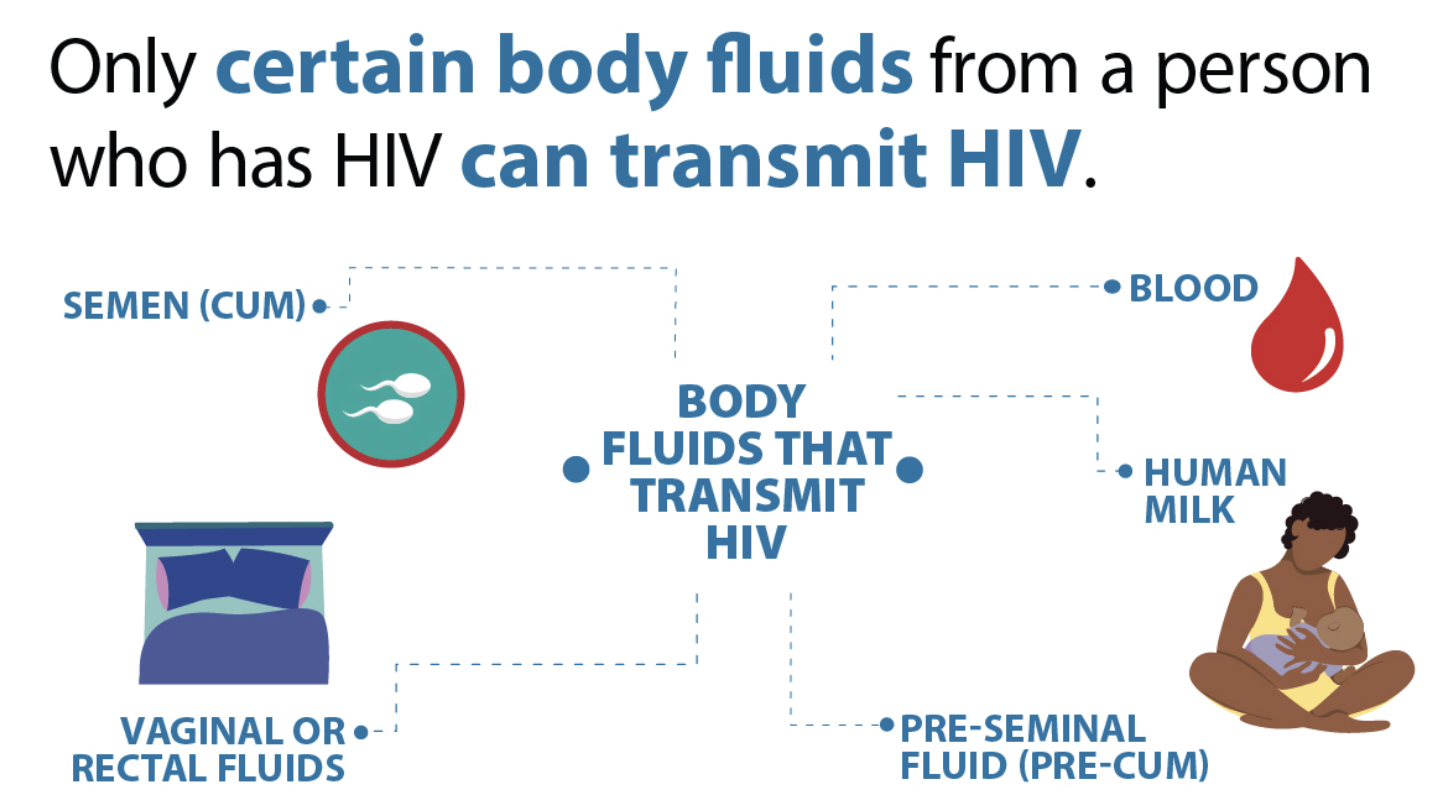
![An infographic explaining that only certain body fluids from a person with HIV, such as blood, human milk, vaginal or rectal fluids, semen, and pre-seminal fluid, can transmit HIV. It shows icons of a blood drop, a woman holding a baby, and bodily fluids, with text detailing transmission.]()
How HIV Spreads
Visit the CDC website to learn more about how HIV spreads
-
![Logo of INPUD with the full name 'International Network of People who Use Drugs' written below.]()
International Network of People who Use Drugs
INPUD seeks to promote the health and defend the human rights of people who drugs globally by challenging and exposing stigma, discrimination and the negative impacts of criminalisation on peers and communities.
-
![Text overlay reading 'We Are 1 / Somos 1. Our Community. Our Health.' on a colorful, geometric background.]()
We are 1 - Safer Sex Plan
We are a group of community health agencies in King, Pierce and Snohomish Counties. We’ve come together to promote wellness and health for gay men, bi men, trans people, and straight men who love men.
-
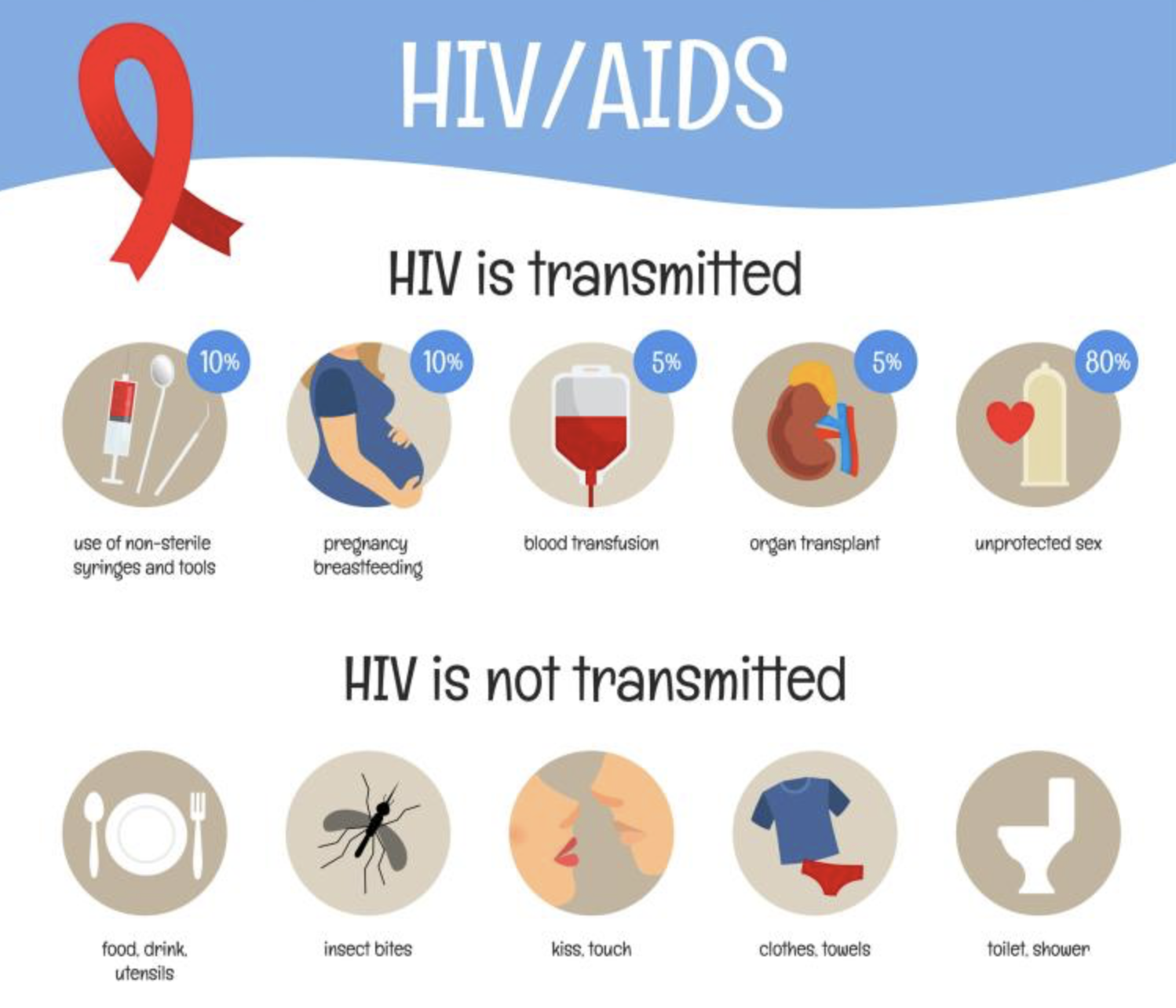
![Infographic explaining how HIV/AIDS is transmitted and not transmitted, with icons for blood transfusion, organ transplant, unprotected sex, and use of non-sterile syringes showing transmission, and icons for food, insect bites, kissing, clothes, and toilet/shower showing no transmission.]()
HIV Basics
We encourage everyone to learn the HIV Basics.
-
![]()
Mutual Aid Disaster Relief
To get a pulse on community aspirations and challenges, to build deeper relationships with the ever-growing network, and to share insights and lessons learned from past iterations of grassroots d.i.y. humanitarian aid projects, we engaged in a 30 city training tour in Spring 2018, then a follow up West coast version in the Fall.
-
![]()
What is Mutual Aid?
Dean Spade on the Promise of Mutual Aid - The radical law professor explains how we can meet each other’s needs with dignity, care, and justice.
-
![]()
Seattle Food not Bombs
Food Not Bombs is a decentralized global movement dedicated to sharing free food.
-
![]()
Mutual Aid for LGBTQ+ Communities
But mutual aid is by no means a new concept or practice; it has a robust history as a tool of movements for social change—especially within the LGBTQ+ community.
-
![]()
Harm Reduction is not a Metaphor
A very useful and comprehensive resource all about harm reduction.
-
![]()
California Coalition for Women Prisoners
Caring Collectively for People
in Women’s PrisonsWe monitor and challenge the abusive conditions inside California women’s prisons. We fight for the release of women and trans prisoners. We support women and trans people in their process of re-entering the community.
-
![]()
The Marshall Project
Learn all about the prison abolition movement.
-
![]()
Sex Worker Rights
Sex Workers Outreach Project-USA is a national grassroots social justice network dedicated to the fundamental human rights of sex workers and their communities, focusing on ending violence and stigma through education, community building, and advocacy.
-
![]()
Sex Is Not the Problem with Sex Work
Most workers suffer some unfair conditions in the workplace and would not, as a rule, do their jobs for free. This is not to say that this state of affairs is good, or that we should accept it because it is normal, but nor is it useful to pretend that work is generally wonderful. Some workers are lucky enough to have good pay, meaningful work, and autonomy, but most of us feel the sharp edge of exploitation in some way.
-
![]()
Disability Justice and Abolition
Disability Justice is a set of ten principles articulated by Patty Berne and created with other disabled BIPOC leaders. These are: intersectionality, leadership of the most impacted, anti-capitalism, cross-movement organizing, wholeness, sustainability, cross-disability solidarity, interdependence, collective access, and collective liberation.
-
![]()
Project LETS
Project LETS is a national grassroots organization and movement led by and for folks with lived experience of mental illness/madness, Disability, trauma, & neurodivergence. We specialize in building just, responsive, and transformative peer support collectives and community mental health care structures that do not depend on state-sanctioned systems that trap our folks in the medical/prison-industrial complex.
-
![]()
10 Principles of Disability Justice
Sins Invalid is a disability justice-based movement building and performance project that celebrates disabled people, centering and led by disabled Black, Indigenous, and people of the global majority, and queer, trans, and nonbinary disabled people.
-
![]()
Washington Recovery Help Line
The Washington Recovery Help Line is a program of Crisis Connections. We offer an anonymous, confidential 24-hour help line for Washington State residents. This help line is for those experiencing substance use disorder, problem gambling, and/or a mental health challenge.
-
![]()
Never Use Alone
Never Use Alone is the US National Overdose Response line that people can call when they’re using by themselves, with no one to call for help. One of our volunteer operators will take your location information, and alert EMS to that location if you stop responding after using.
-
![]()
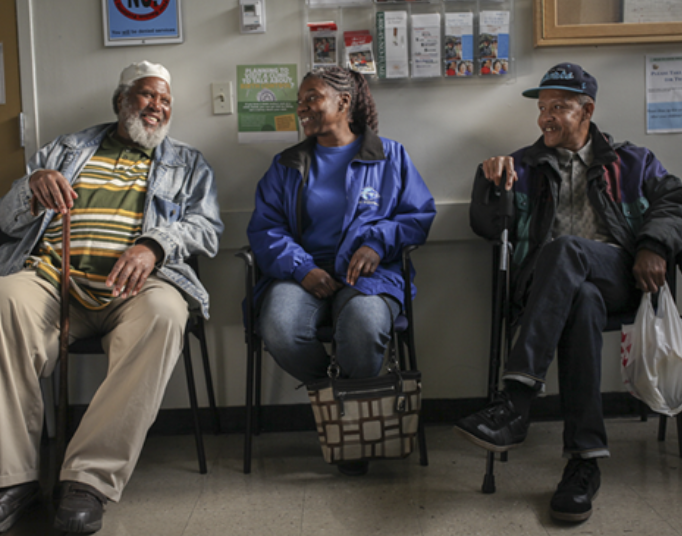
Transitions Clinic Network
The Transitions Clinic Network (TCN) is a national organization committed to reversing the harms of mass incarceration by eliminating racial health and economic disparities.
-
![]()
Reentry and Recidivism
Information and research on the challenges and outcomes for people released from incarceration, including collateral consequences
-
![]()
Barriers to Successful Re-Entry of Formerly Incarcerated People
Every year, nearly 700,000 people are released from American prisons, and an estimated 9 million are released from jail. According to the National Institute of Justice, almost two-thirds of them are arrested again within three years.